Systems
The shortest useful map of how Koni Field Lab works: what enters, what persists, what gets reviewed, and what becomes public.
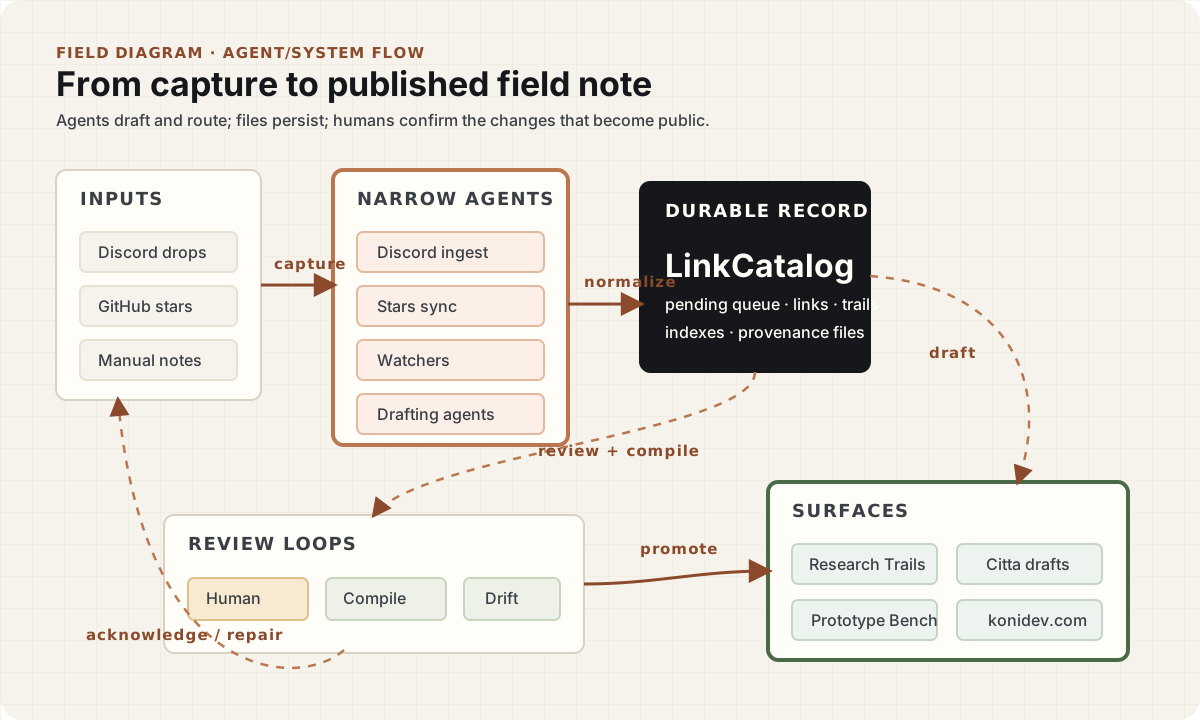
The useful architecture is small: signals arrive, agents turn them into drafts, LinkCatalog keeps the record, and humans decide what becomes public. Everything else on the site should serve that understanding.
The working loop
- Capture. Discord drops, GitHub stars, and manual notes enter as raw signals.
- Draft. Narrow agents ingest, sync, watch, and draft. They propose; they do not silently turn proposals into truth.
- Persist. LinkCatalog is the durable private workspace. It holds saved links, pending items, trails, indexes, and provenance.
- Review. Human confirmation and scheduled checks decide what is accepted, compiled, repaired, or ignored.
- Publish. Citta and konidev.com are downstream surfaces. They publish selected records; they are not the source of truth.
Boundaries that matter
- Agents can be wrong in draft. They should be cheap to inspect and easy to roll back.
- Files persist longer than tools. The record should survive a publisher, agent, or interface being replaced.
- Public pages need a reason to exist. A page should teach the architecture, document a decision, or expose a useful artifact.